

Hydrogen Utilization Research for Realizing a Hydrogen Society: From Hydrogen Mobility to Diverse Applications
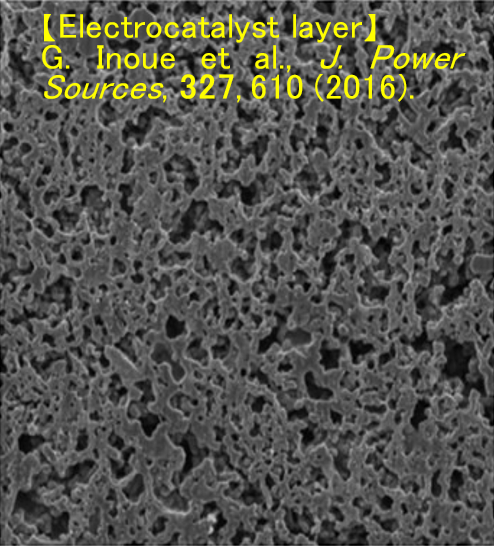
To accelerate the realization of a hydrogen society, we conduct comprehensive research ranging from innovative materials design at the atomic and nanoscale to the development of advanced devices and systems. Leveraging state-of-the-art materials characterization techniques, including advanced microscopy, we address key challenges in materials, devices, and systems to advance hydrogen utilization technologies, such as fuel cells, and expand their applications.
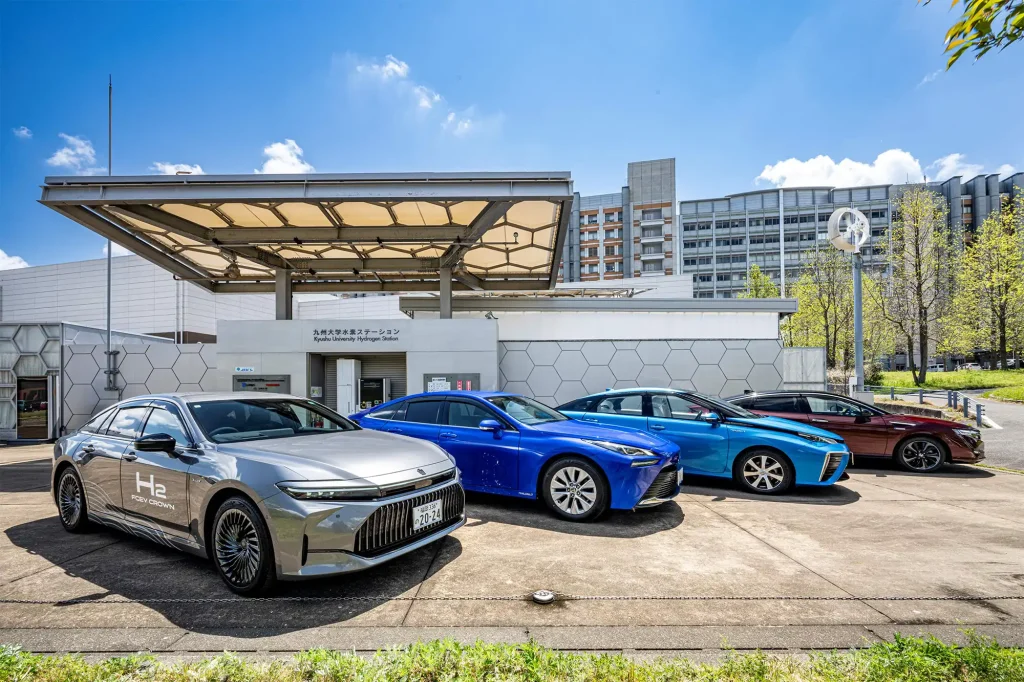
Our research particularly focuses on pioneering innovative materials, devices, and systems that enable the widespread adoption of hydrogen mobility while promoting industry–academia collaboration, demonstration projects, and public outreach. We also actively engage in major national research projects funded by NEDO and JST, collaborative research with industry, regional industry–academia–government initiatives, and national efforts to shape Japan’s hydrogen policies and accelerate the realization of a hydrogen society.
Hydrogen Utilization Research Teams
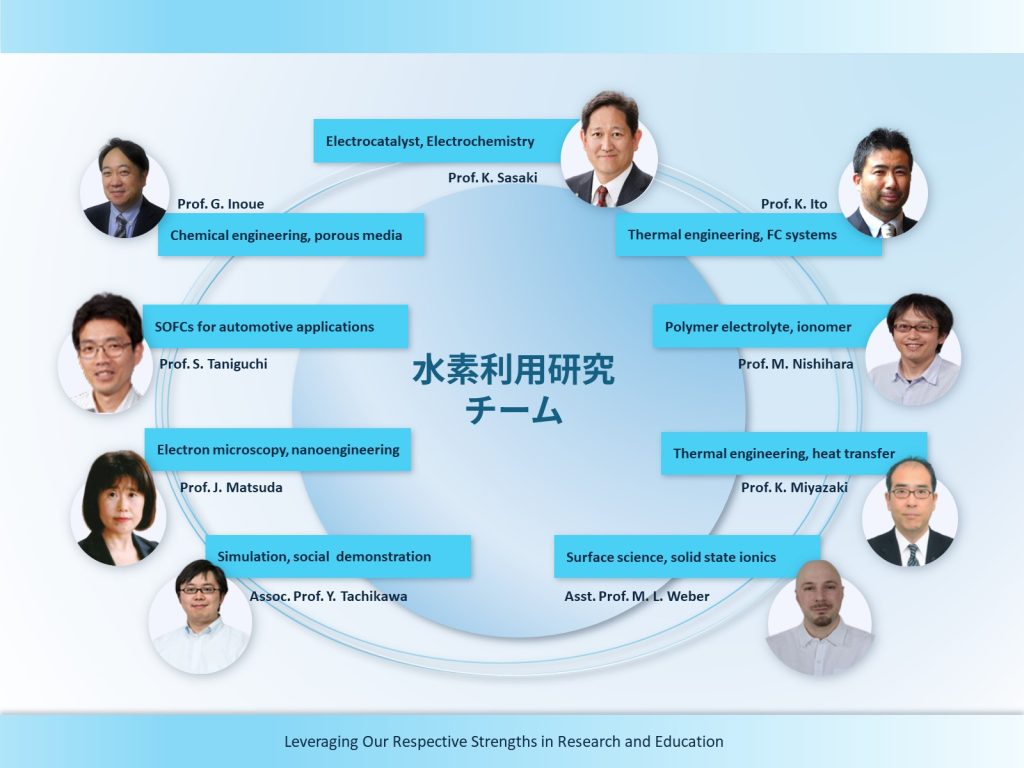
Our division brings together researchers from diverse fields, including fuel cells, water electrolysis, thermal-fluid engineering, and process systems engineering, to advance research and education in hydrogen utilization technologies.
See below for an overview of each team’s research.
Hydrogen Utilization Processes Laboratory
Prof. Kazunari Sasaki, Assoc. Prof. Yuya Tachikawa, Assis. Prof. Masahiro Yasutake and others.
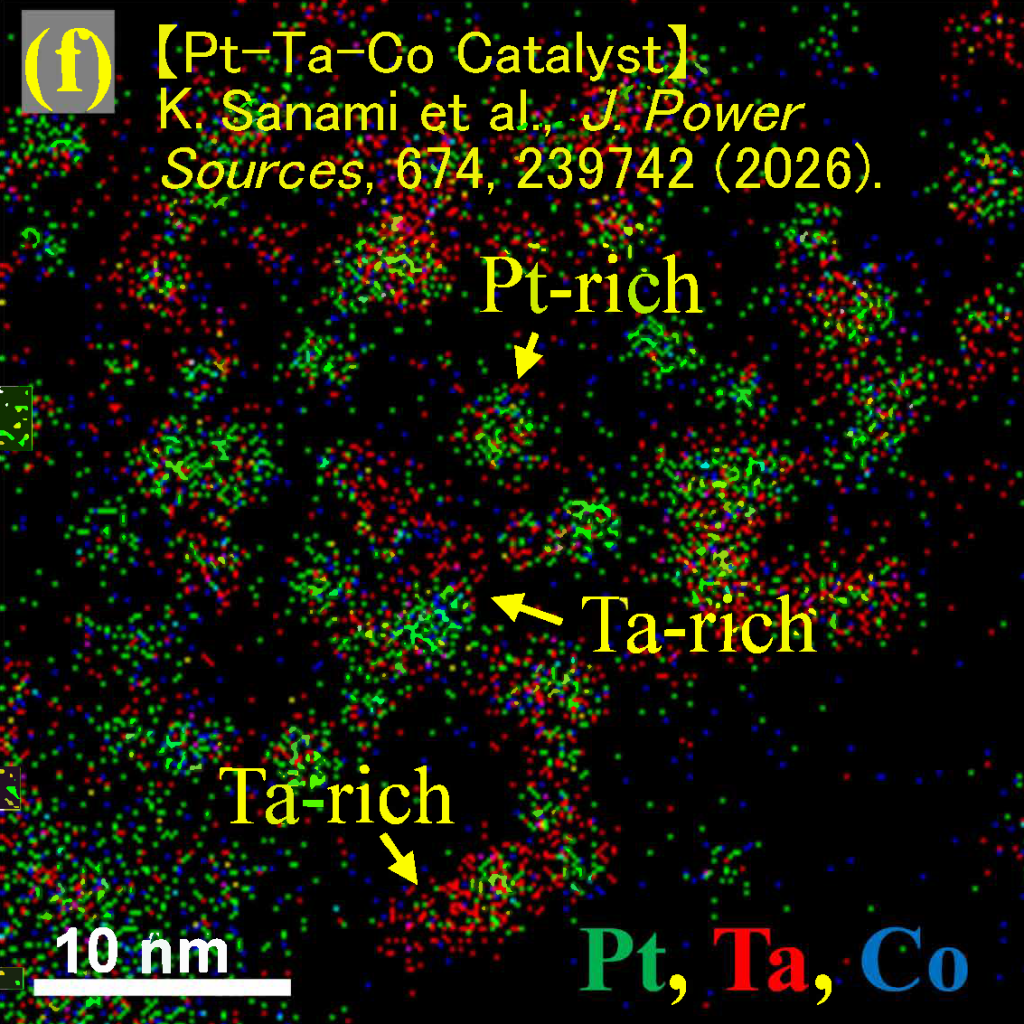
Our research focuses on materials, processes, and systems for hydrogen-related technologies, including polymer electrolyte fuel cells (PEFCs), solid oxide fuel cells (SOFCs), water electrolysis, and steam electrolysis. Through publicly supported research projects with leading companies in the hydrogen and fuel cell industries, we provide students with opportunities to participate in cutting-edge research, engage in international collaboration, including study abroad, and gain experience in academia–industry collaboration with companies advancing hydrogen mobility.
Fuel Cell System Laboratory
Prof. Kohei Ito, Assoc. Prof. Tatsumi Kitahara and others.
Our research focuses on the development of component and system technologies, diagnostic and measurement techniques, and the evaluation of cell materials for electrochemical systems, including fuel cells and water electrolysis.
Our current research includes reducing electrolysis cell voltage by superimposing boiling, electrolyte engineering for next-generation neutral water electrolysis, and optimizing the wettability and porous structure of cell materials to improve fuel cell performance. Students and researchers from industry work closely together on these projects, fostering innovation through mutual learning and collaboration.
Thermofluid Physics Laboratory
Prof. Koji Miyazaki, Assis. Prof. Katsuaki Hashikuni and others
Our research aims to elucidate heat transport phenomena from the atomic and electronic scales and develop innovative technologies that overcome the limitations of conventional thermal transport.
Our recent research focuses on advancing hydrogen energy technologies through the thermodynamic understanding of natural hydrogen generation mechanisms and the evaluation of the thermal conductivity of hydrogen storage materials.
Process Systems Engineering Laboratory
Prof. Gen Inoue and others
Our research focuses on electrochemical energy devices, including polymer electrolyte fuel cells, water electrolyzers, and rechargeable batteries. We investigate electrochemical reactions, mass transport, thermal-fluid behavior, and degradation phenomena by integrating numerical simulation, structural analysis, machine learning, and experimental measurements.
By connecting research across materials and electrode structures, manufacturing processes, device performance, and system design, we aim to accelerate the social implementation of hydrogen energy technologies through close collaboration with industry.